
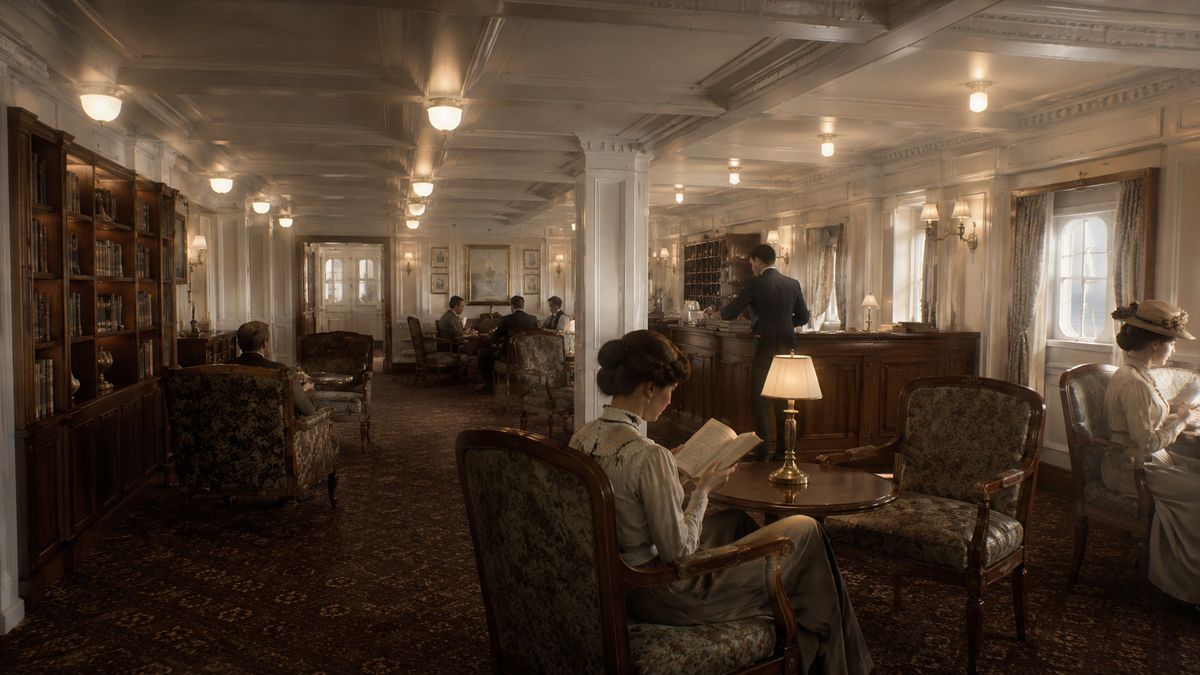
Key points to know
- Second class on Titanic offered real comfort and respectability, and many travelers considered it an attractive balance of price and quality.
- This page helps show second class as a lived environment, not just as a rank between first and third class.
- Helpful next pages include second class survivors, food and dining, cabins and interiors, and class comparison pages.
Why second class is one of the most useful Titanic topics
Second class is one of the most underrated Titanic subjects. It lacks the near-mythic glamour of first class and the immediate emotional pull of third class tragedy, so many accounts mention it briefly and move on. That misses one of the clearest ways to show that Titanic was a layered social world. Second class gives a middle point from which the whole ship makes more sense.
A page about second class should feel grounded and practical. It should explain who this accommodation was for, why people chose it, and what daily life actually looked like. When the article does that well, it becomes more than a class label. It becomes a way of understanding Titanic as a place where comfort, ambition, family travel, and social difference all existed side by side.
What second class passengers actually experienced on board
The best way to describe second class is to treat it as a genuine travel experience with its own rhythm. Passengers had cabins, meals, public rooms, routines, and expectations that felt respectable and often quite appealing for the era. People read, talked, walked, ate, rested, and watched the voyage unfold just as passengers in other classes did, though without the lavish finish of first class or the crowded reality of many steerage spaces. That ordinary rhythm matters because it reminds the person that Titanic was a functioning world before it became a disaster story.
Why second class helps explain the whole ship
If first class shows the promise Titanic sold to the world and third class shows the hardest edge of the disaster, second class helps explain the structure between them. People can see how class shaped privacy, service, and movement without collapsing the story into extremes. That makes second class especially useful for comparison pages and class cluster links. It offers enough comfort to stand apart from steerage and enough limitation to contrast clearly with the upper decks.
How second class life connects to the sinking
A strong second class article also prepares the person for the next question: did this way of living on the ship matter during the evacuation? In broad terms, yes. Location on the ship, awareness of the emergency, and movement through passageways and staircases all shaped what happened once the collision turned serious. That does not mean a daily life article becomes a sinking page, but it does make clear that class was not just about menu quality or room finish. It influenced how the emergency was experienced.
That is why the best next reads from here are second class survivors, lifeboats, child survivor stories, and class comparisons. Daily life leads naturally into risk, access, and memory, because the routines of the voyage shaped what happened once the collision came.
Featured pages that deepen the second class picture
Frequently asked questions
What was second class like on the Titanic?
Second class offered respectable and often comfortable accommodation, meals, and public rooms. It was designed for travelers who wanted a good transatlantic experience without first class prices.
Why is second class important to understand?
Second class helps people see the middle of Titanic’s class system. It shows how comfort, movement, and access differed across the ship without reducing everything to the extremes of luxury and hardship.
What should you read next?
Helpful next pages include second class survivors, biographies such as Eva Hart and Michel Navratil, food and dining, cabins and interiors, and the lifeboats page.